

If you’re reviewing hardware quotes right now and thinking “this can’t be right,” let me be direct with you.
It is right.
What you paid for laptops, desktops, and servers at the end of 2025 is often 50–100% higher today. In some cases, it’s more than double. Server configurations that used to cost X now land at nearly 2X. And this isn’t a short-term spike. This is the new baseline for 2026 and beyond.
Here’s exactly why it’s happening — and what you need to do about it.
The Massive Diversion to AI Data Centers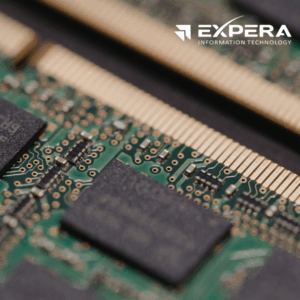
Starting late 2025, the world’s largest technology companies began pouring trillions of dollars into building out massive AI data centers across the globe. These facilities aren’t small upgrades. They’re enormous, power-hungry operations that require vast quantities of high-end processors, high-bandwidth memory (HBM), DRAM, NAND flash storage, and specialized chips.
Semiconductor manufacturers have finite capacity. When the big players come in with massive orders and premium pricing for AI workloads, production lines get redirected. High-speed, high-quality components that used to flow into commercial laptops, desktops, servers, and other devices are now prioritized for AI infrastructure.
The result?
- DRAM and memory prices have surged dramatically — often 40% to over 100% in many categories, with some forecasts showing 90%+ quarter-over-quarter jumps in early 2026.
- NAND flash and SSD storage costs have skyrocketed.
- Fully configured enterprise servers? Many quotes have essentially doubled.
- Standard laptops and desktops are up 30–50% or more, depending on specs.
And it doesn’t stop there. Smartphones, tablets, vehicles (modern cars contain over 1,000 semiconductors), medical equipment, industrial systems — any hardware that relies on chips is feeling the pressure. The AI race for artificial general intelligence is consuming available supply at an unprecedented rate.
This is one of the clearest unintended consequences of the aggressive push toward AGI by some of the biggest corporations on the planet.
Global Conflicts Are Making It Worse
The situation isn’t helped by what’s happening in the real world.
The ongoing conflict in the Middle East has driven energy prices sharply higher, increasing manufacturing and logistics costs across the board. Even more critical for semiconductors is the disruption in helium supply. Helium is essential in the chip fabrication process — used for cooling, creating controlled atmospheres, and precision manufacturing. Major production and shipping routes have been impacted, causing helium prices to spike and slowing output at fabs worldwide.
Add in broader supply chain constraints, longer lead times, daily price adjustments in some categories, and you have a perfect storm.
New semiconductor fabs take years to build and come online. We’re not getting meaningful relief in 2026. The structural shift toward AI means “normal” pricing from 2024–2025 is likely gone for good in many areas.
Energy Costs and Cloud Services: The Next Wave of Increases
The AI buildout doesn’t just drive up hardware prices — it’s also pushing energy costs higher, with ripple effects that will hit your operations hard in the coming months and years.
AI data centers are incredibly power-intensive. Their electricity demand is growing so fast that data centers could account for a significant portion of new electricity consumption growth. In many regions, this is already leading to higher utility rates as grids strain to keep up. Utilities are investing billions in new infrastructure, and those costs are being passed on — often to businesses and households alike.
For your business, this means:
- Higher electricity bills for any on-premise servers, cooling systems, or office operations.
- Increased operational expenses that compound the pain of expensive new hardware.
And then there’s the cloud. Many organizations have shifted workloads to the cloud to avoid some of the hardware crunch. But cloud providers are facing the same pressures: skyrocketing server and memory costs, plus massive energy consumption in their own data centers. Analysts expect cloud service price increases of 5–10% or more in 2026 as these costs flow through.
If you’re relying heavily on cloud infrastructure, budget for higher monthly bills starting mid-2026. The days of stable or declining cloud pricing are ending as the AI infrastructure race drives up underlying costs.
These aren’t isolated issues — they’re all connected to the same root cause: the enormous reallocation of resources toward AI data centers.
The Practical Reality for Your Business
If your 2026 IT hardware lifecycle budget was built on last year’s pricing, it is no longer realistic.
Most organizations we’re working with are discovering they need to essentially double their hardware procurement budgets to maintain the same refresh cycles, performance levels, and security standards they planned for. Factor in rising energy and cloud costs, and the total impact on your IT spend could be even greater.
This affects:
- Laptops and desktops for your team
- Servers and on-premise infrastructure
- Networking equipment
- Smartphones and mobile devices
- Any future hardware purchases that contain semiconductors — including vehicles and specialized business equipment
- Ongoing energy bills and cloud subscriptions
When you receive a quote today that looks shockingly higher than what you paid just a few months ago, that’s not vendor opportunism. That’s the current market reality.
What Smart Leaders Are Doing Right Now
At Expera IT, we’ve been helping Canadian businesses navigate this shift since the pressures started building in late 2025. Here’s the no-fluff approach that works:
- Re-forecast immediately — Review every planned hardware refresh, energy budget, and cloud commitment for 2026 and build in realistic increases (50–100%+ for hardware, plus uplifts for power and cloud).
- Prioritize ruthlessly — Focus first on mission-critical systems and security-related hardware. Extend lifecycles where you can do so safely with proper support and optimization.
- Explore alternatives — Certified pre-owned or renewed equipment, optimized configurations, hybrid/cloud strategies (with eyes wide open on future pricing), and strategic vendor partnerships can help stretch your dollars.
- Lock in where possible — Volume commitments and early planning can secure better availability and pricing before the next wave of increases.
- Look at total cost of ownership — The lowest upfront price is rarely the smartest long-term decision when you factor in energy use, support costs, performance, lifespan, and cloud passthroughs.
The companies that treat this as a strategic adjustment — rather than an unwelcome surprise — will maintain operational stability and avoid painful mid-year budget crises.
Bottom Line
The race for AI dominance is delivering powerful new capabilities, but it comes with very real costs that every business must now absorb. The global supply of critical components has been redirected, geopolitical pressures are amplifying the impact, and the energy demands of these massive data centers are adding another layer of pressure on both power bills and cloud services.
Your original 2026 hardware, energy, and cloud budgets are outdated. Adjust them now so you can continue procuring and operating the technology your team and your business actually need.
If your latest quotes have you concerned, reach out. We’ll review your environment, run realistic scenarios, and help build a procurement and operations plan that works in today’s market — not yesterday’s.
This is what we do every day at Expera IT: deliver practical, world-class IT solutions that help businesses thrive even when the landscape shifts.
Let’s talk.
Vince Fung Founder & CEO Expera Information Technology Inc.
